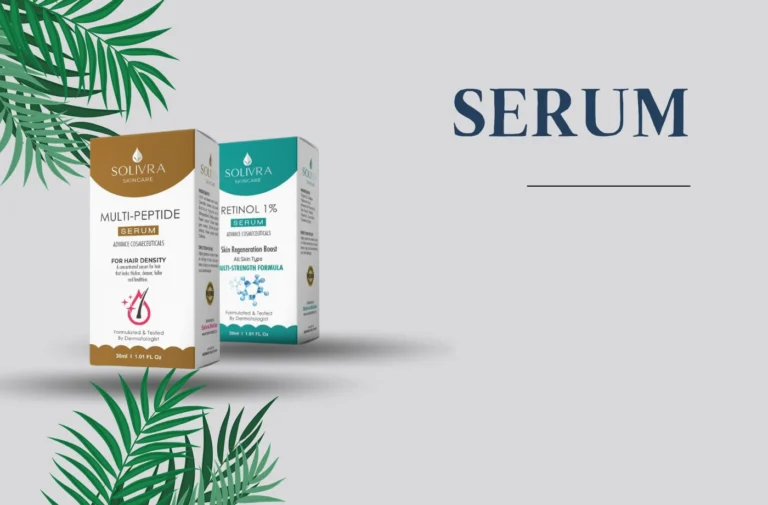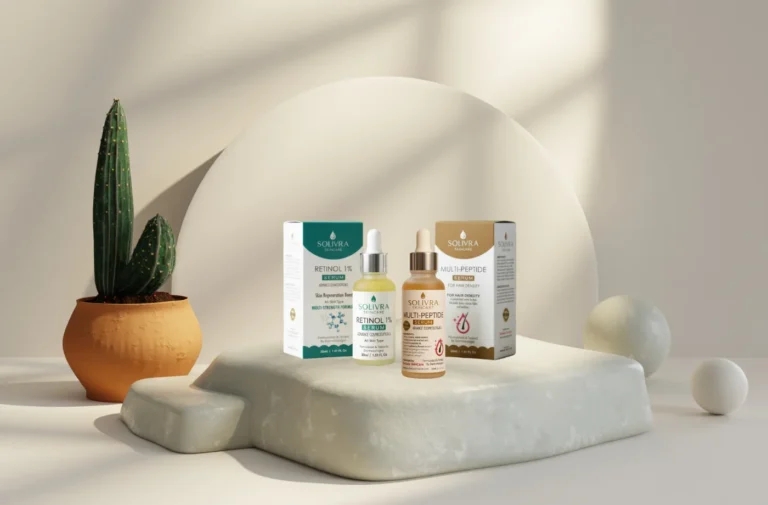
In the world of skincare, skin serums have become a must-have product for achieving smooth, youthful, and glowing skin. Whether you’re dealing with dullness, dryness, fine lines, or acne marks, a good serum can completely transform your skin’s appearance. But what exactly is a serum, and why has it become so popular in modern skincare routines? Let’s find out.
What Is a Skin Serum?
A skin serum is a lightweight skincare product packed with a high concentration of active ingredients like vitamin C, hyaluronic acid, retinol, and niacinamide. Unlike thick creams, serums have smaller molecules that penetrate deep into the skin, delivering nutrients where they’re needed most.
This makes serums more powerful and effective than regular moisturizers or creams. Whether you want to brighten your complexion or fight aging signs, there’s a serum for every skin type and concern.
Benefits of Using a Skin Serum
Using a serum regularly can make a visible difference in your skin texture and tone. Here are some of the top face serum benefits:
- Hydration Boost:
Serums containing hyaluronic acid help retain moisture, making your skin plump and hydrated all day long. - Brighter Skin Tone:
A vitamin C serum reduces dark spots, dullness, and pigmentation, giving your skin a radiant glow. - Anti-Aging Effects:
Retinol and peptides found in anti-aging serums help reduce fine lines, wrinkles, and sagging skin. - Improved Skin Texture:
Regular use of serums smooths rough patches and refines pores, leaving your skin silky soft. - Protection Against Damage:
Serums rich in antioxidants protect your skin from pollution, UV rays, and free radicals that cause premature aging.
Choosing the Right Serum for Your Skin Type
Selecting the best serum for glowing skin depends on your specific needs. Here’s a simple guide:
- For Dry Skin: Look for serums with hyaluronic acid, vitamin E, or ceramides to restore moisture.
- For Oily Skin: Choose niacinamide or salicylic acid serums to control excess oil and reduce acne.
- For Dull Skin: Vitamin C or alpha arbutin serums can brighten your complexion.
- For Aging Skin: Try retinol or collagen-boosting serums to minimize wrinkles and fine lines.
- For Sensitive Skin: Use gentle, fragrance-free serums with aloe vera or green tea extract.
Always remember to patch-test a new product before applying it all over your face.
How to Apply Skin Serum Correctly
For best results, follow these simple steps in your skincare routine:
- Cleanse: Wash your face with a mild cleanser to remove dirt and oil.
- Tone (Optional): Apply a toner to balance your skin’s pH.
- Apply Serum: Take a few drops of serum and gently pat it onto your face and neck.
- Moisturize: Lock in hydration with a lightweight moisturizer.
- Protect: In the daytime, always apply sunscreen afterward.
Using your serum twice daily — morning and night — can help you achieve visible improvements within a few weeks.
Natural vs. Chemical Serums
Many skincare enthusiasts prefer natural serums made with plant-based extracts, essential oils, and vitamins. These are gentle, safe, and suitable for long-term use. However, chemical serums with proven active ingredients like retinol or glycolic acid can deliver faster results for specific skin concerns.
It’s important to find a balance between the two based on your skin’s tolerance and needs.
Final Thoughts
A skin serum is more than just a skincare trend — it’s a game-changer. Its powerful, fast-absorbing formula helps fight aging, brighten dull skin, and keep your face hydrated and youthful. No matter your age or skin type, including a serum in your daily skincare routine can make a huge difference.
If you’re ready to experience real transformation, start with a vitamin C or hyaluronic acid serum — your skin will thank you for it. Remember, healthy skin starts with consistency and care.