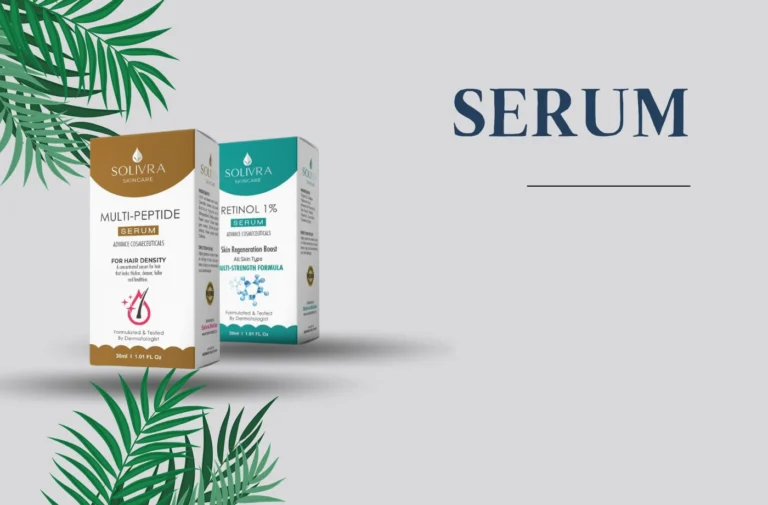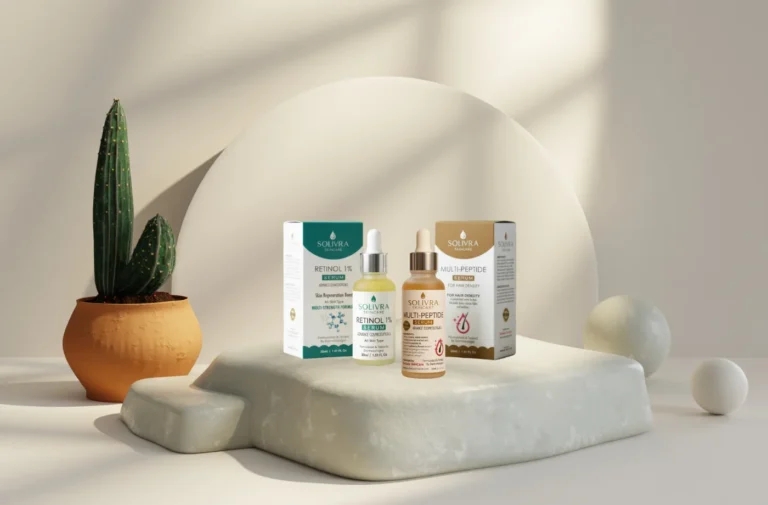
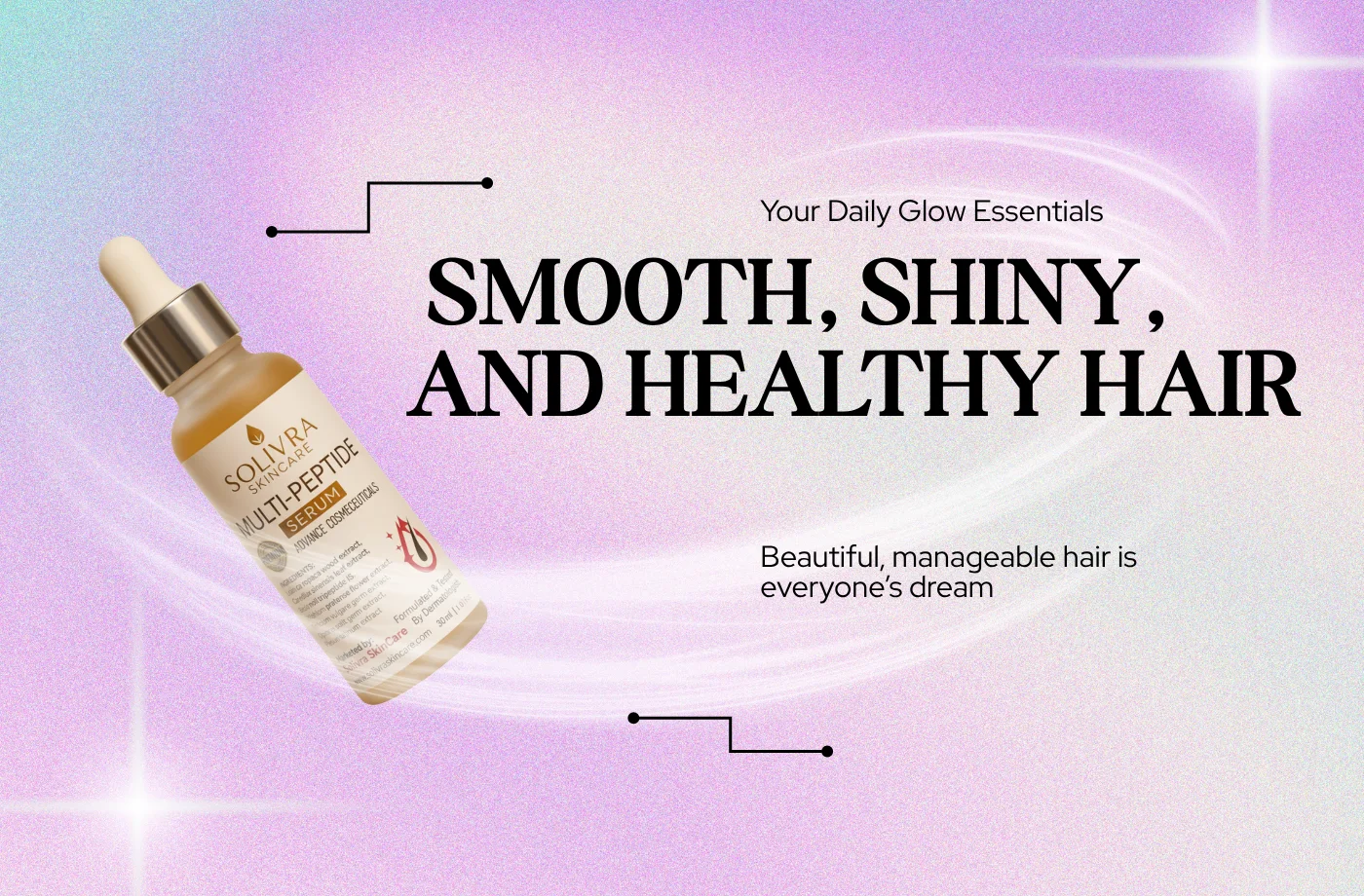
Beautiful, manageable hair is everyone’s dream — but daily exposure to pollution, heat styling, and humidity often makes it hard to maintain. That’s where hair serum steps in as a true game-changer in your hair care routine. This magical product not only enhances shine but also protects your hair from damage, frizz, and dryness.
If you’re wondering whether you should add a serum to your routine, here’s everything you need to know about the amazing benefits of hair serum and how it can transform your locks.
What Is Hair Serum?
Hair serum is a lightweight, silicone-based product that coats the surface of your hair to make it smoother, shinier, and frizz-free. Unlike oils that nourish the hair from within, serums focus on the outer layer, creating a protective barrier against dust, heat, and humidity.
Many serums today are enriched with powerful ingredients such as argan oil, keratin, vitamin E, and natural plant extracts, which provide both protection and nourishment.
Top Benefits of Hair Serum
Let’s explore why using hair serum regularly is one of the smartest decisions for healthier, more manageable hair.
1. Fights Frizz and Tames Flyaways
Humidity can be your hair’s worst enemy — leading to frizz and unmanageable strands. Hair serum smooths down rough cuticles and adds a glossy finish, keeping your hair sleek and polished even on the most humid days.
If you have naturally curly or wavy hair, a serum helps define your curls while reducing puffiness and dryness.
2. Adds Instant Shine and Smoothness
Want that silky, glossy look you see in hair commercials? A few drops of serum can make your hair look instantly smoother and shinier.
Serums coat the hair shaft, reflecting light and giving your hair a healthy, radiant glow. This makes them perfect for last-minute touch-ups before a special occasion or photo shoot.
3. Protects Hair from Heat Damage
If you regularly use blow dryers, straighteners, or curling irons, heat protection is a must. Hair serum acts as a protective shield between your hair and styling tools, minimizing heat damage and preventing breakage.
Choose a heat-protectant serum with natural oils or keratin to keep your strands safe while styling.
4. Prevents Tangling and Breakage
Tangled hair can lead to breakage, split ends, and dullness. Applying serum before brushing helps detangle your hair easily and prevents unnecessary pulling or snapping.
This is especially helpful for long or color-treated hair, which tends to get dry and knotty.
5. Nourishes and Repairs Damaged Hair
Many modern serums are infused with nutrients that help repair damaged hair caused by chemical treatments, coloring, or pollution. Ingredients like vitamin E and argan oil restore moisture, strengthen the hair shaft, and improve elasticity.
With regular use, your hair feels softer, healthier, and more resilient.
6. Reduces Split Ends
Split ends make hair look dull and lifeless. While a serum can’t permanently heal split ends, it can seal the ends temporarily, giving your hair a smoother, healthier look and preventing further splitting.
Apply a small amount to the tips of your hair after every wash to maintain neat, damage-free ends.
How to Use Hair Serum the Right Way
To get the most out of your hair serum, follow these simple steps:
- Wash and Towel Dry: Apply serum to clean, slightly damp hair.
- Take a Few Drops: Warm 2–3 drops between your palms.
- Apply Evenly: Distribute through mid-lengths and ends, avoiding the scalp.
- Style as Usual: You can let your hair air dry or style it with heat tools.
For extra shine, you can also apply a tiny amount to dry hair before heading out.
Final Thoughts
A hair serum is more than just a finishing product — it’s a complete protector, smoother, and shine enhancer in one. Whether your hair is dry, frizzy, curly, or straight, using the best hair serum tailored to your hair type can make a world of difference.
Regular use helps you achieve soft, manageable, and salon-like hair every day. Remember, the secret to great hair isn’t just shampoo or conditioner — it’s how you seal in care with the right serum.